Nearly 100 female veterans face housing insecurity in Monroe County each year. These women confront challenges that traditional shelters can’t adequately address: childcare needs, the impacts of military sexual trauma (which one in three female veterans report experiencing), employment barriers, and heightened safety concerns in communal living environments.
In the spring of 2025, Veterans Outreach Center (VOC) opened Otto’s Phoenix House (OPH), Monroe County’s first homeless shelter designed specifically for female veterans and their children. This seven-unity facility provides a space for these vets to stabilize that is safe, sober, and operates with the unique needs of female veterans in mind.
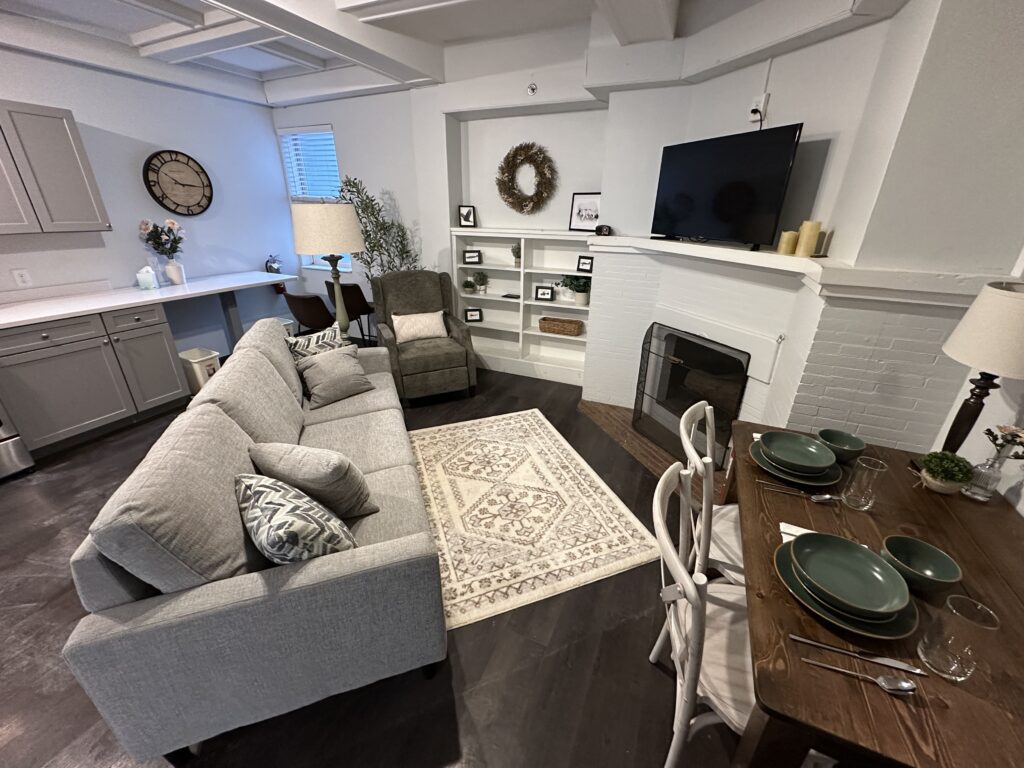
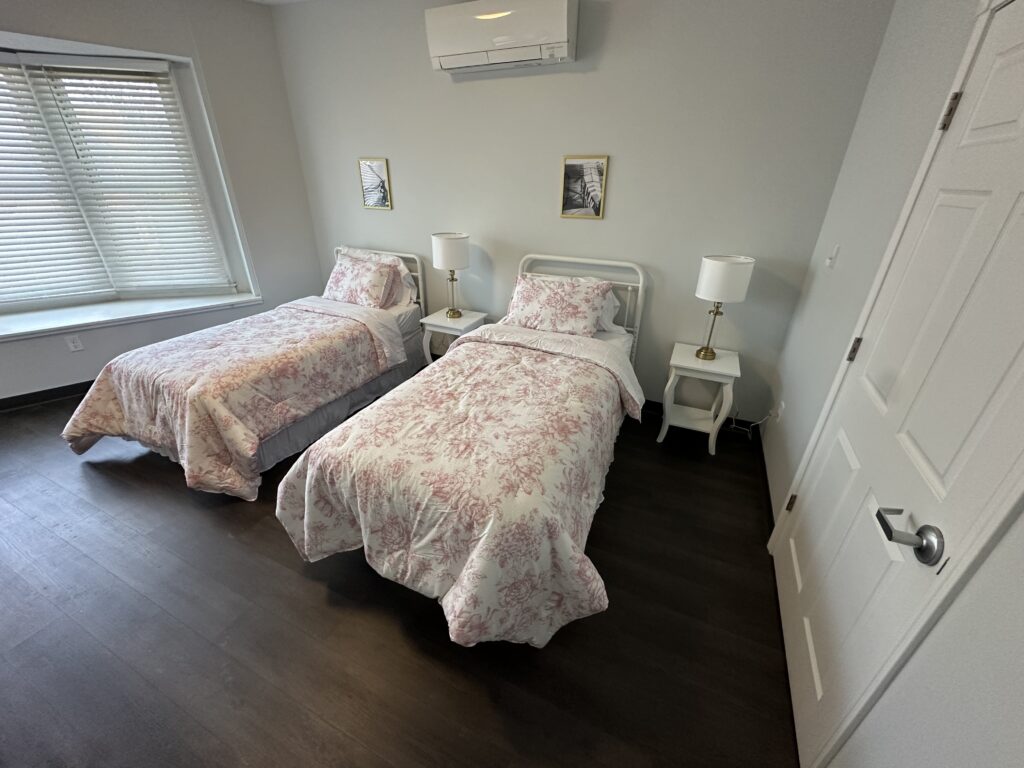
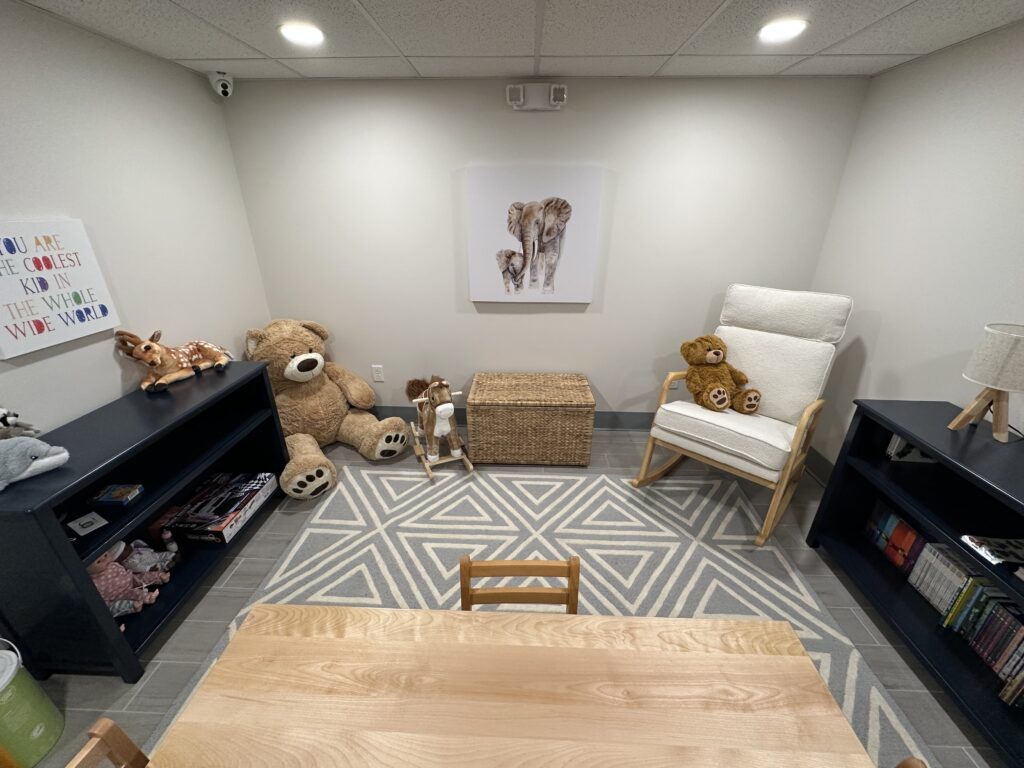
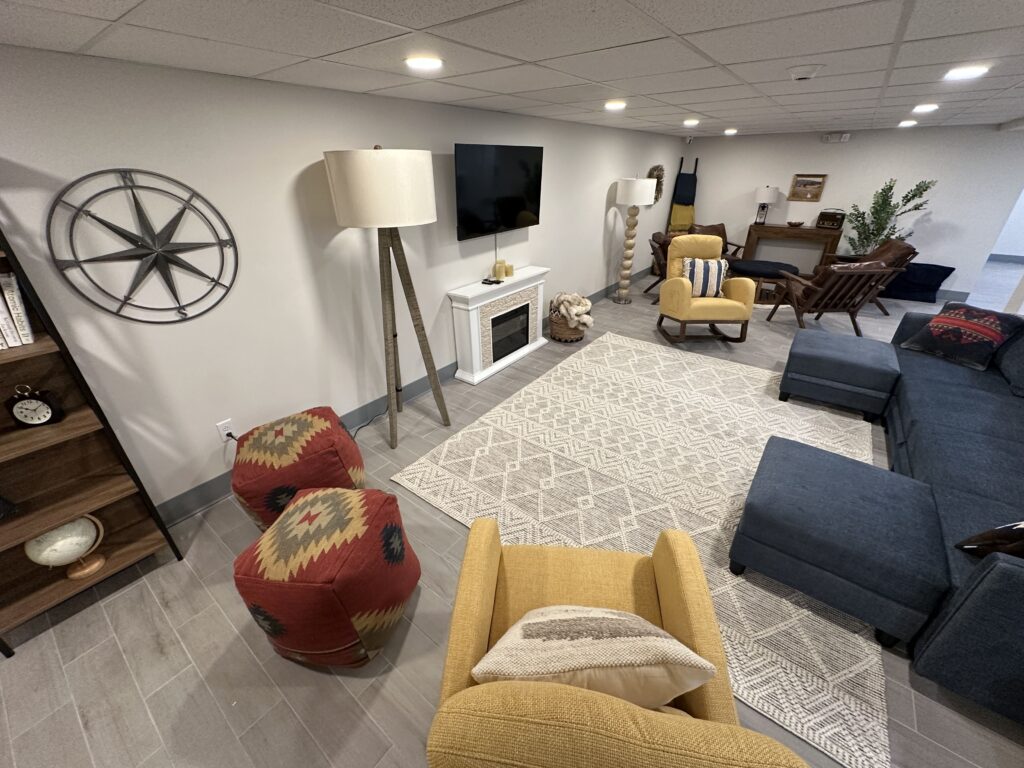
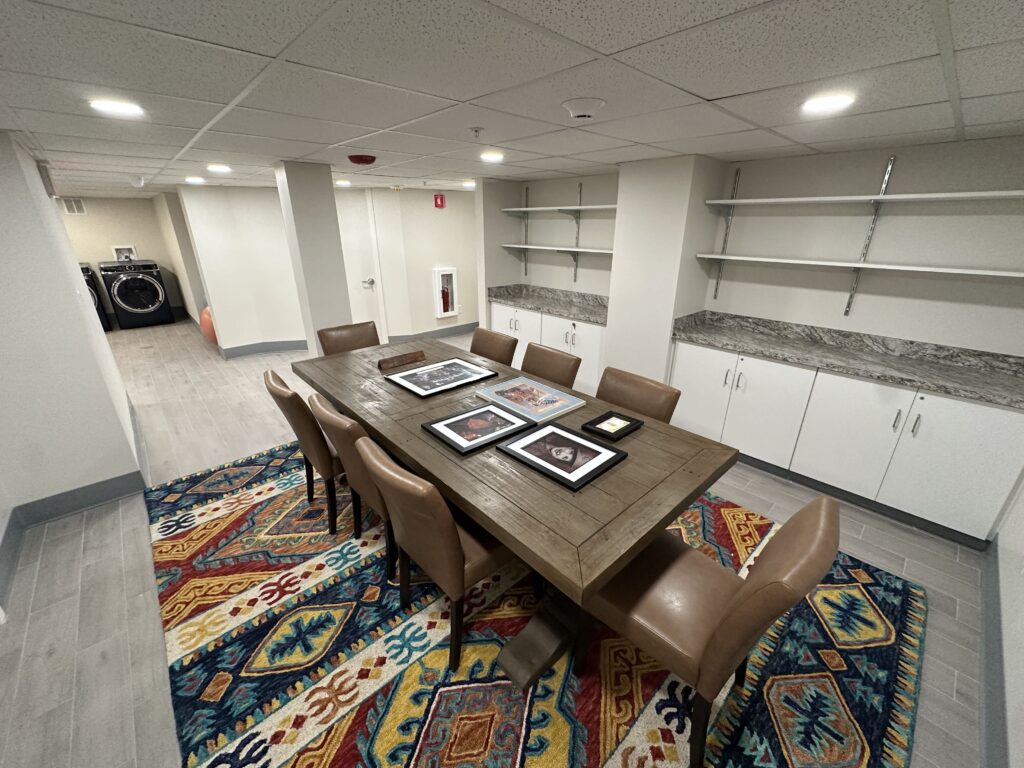
Because stability takes time, female veterans and their children can stay at OPH for up to two years. They have access to fully furnished apartments, a community lounge with a fireplace and a playroom for children, meeting areas for support groups, washers and dryers for laundry, and fitness equipment. For women who have experienced trauma, having the privacy of an apartment versus open dormitories can mean the difference between accepting help and feeling unsafe.
The facility sits adjacent to Richards House, our male veteran residential facility, completing what we call the “Gary B. Beikirch Residential Complex,” named after the late Medal of Honor recipient and VOC co-founder. Together, these programs ensure we can serve male and female veterans with appropriate, specialized support.
Comprehensive, Trauma-Informed Care
Housing alone doesn’t solve homelessness. Otto’s Phoenix House residents work with on-site case managers who understand both military culture and the gender-specific obstacles women face during reintegration. VOC’s case managers focus on creating and sustaining meaningful relationships with the veterans to address the root causes of their challenges, not just surface-level symptoms.
Residents have full access to VOC’s services: workforce development programs that translate military skills into civilian careers, peer support at our Steve Preston Peer Connection Center (open seven days a week), mental health care, legal assistance, benefits counseling, and essential food, clothing, and hygiene items through our Quartermaster.
This holistic model recognizes what we’ve learned over 50 years: a food pantry addresses hunger, but the underlying issue might be unemployment. Job assistance helps, but without addressing trauma or building community, long-term stability remains elusive. We structure our services to treat immediate needs while working toward sustainable, long-term solutions.
How You Can Help
If you’re working with female veterans experiencing housing instability, employment challenges, mental health struggles, or family crisis, Otto’s Phoenix House might be the right fit. We also serve male veterans through Richards House.
Referrals are simple: Call 585.546.1081, visit us at 447 South Avenue, or request services at vocroc.org. We serve veterans across Monroe, Ontario, Orleans, Livingston, Wayne, and Genesee Counties at no cost.
Your referral breaks through barriers that often keep female veterans from seeking help: financial stress, childcare responsibilities, trauma, and systems that weren’t designed with their needs in mind. You’re connecting them to comprehensive, trauma-informed care delivered by people who understand military service and respect the unique challenges female veterans face.
For more information, 585.546.1081 or visit vocroc.org.